
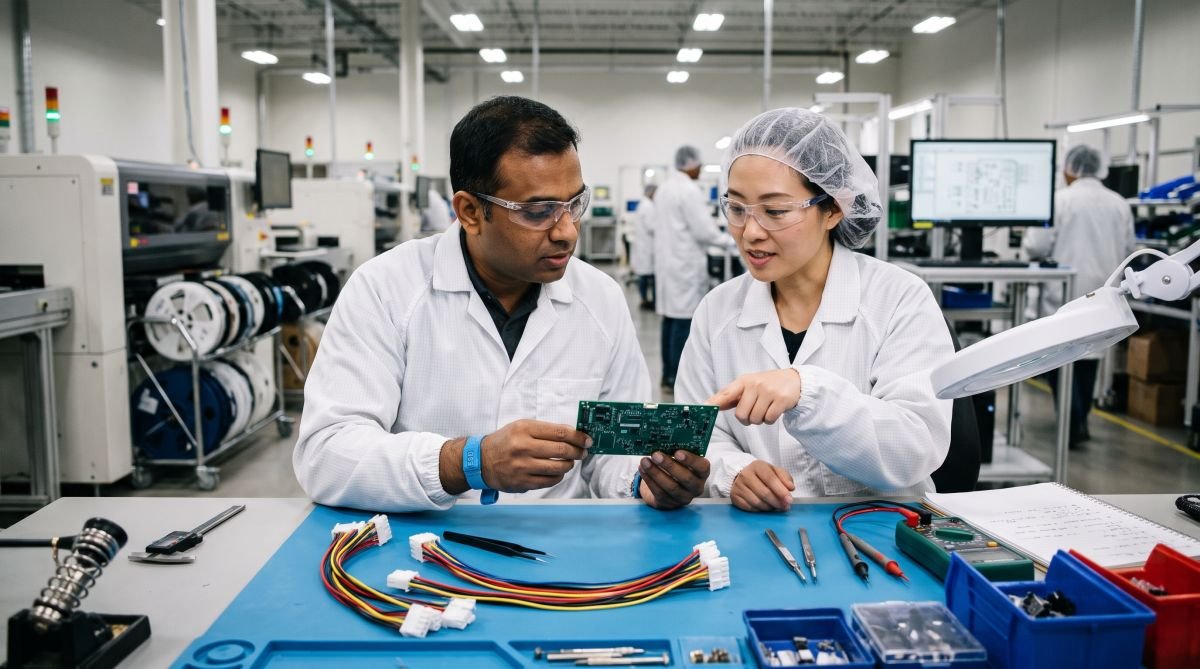
Picture this. You have a product design complete, a prototype is working and your first production run is just a few weeks away. You have selected your assembly partner primarily for the reason that they have the lowest quote. After the boards come in, a batch is rejected for tests, and no one can explain.
Selecting an electronic assembly partner is among those purchases that seems like a procurement, but is more like engineering. The right partner helps reserve your time, your reputation and your margins. The bad one slowly sucks them all off.
These are some factors to consider before signing.
Start With Your Own Needs, Not Their Brochure
Before comparing vendors, make sure to know what you really need. Are you making a fifty prototype or fifty thousand per year? Is the design going to be evolving frequently? Are there specific certifications such as a medical, automotive or aerospace industry?
A business that does a ton of consumer electronics might not fit a low volume industrial application with a long life. In general, both are equal. The dilemma is, which one is better for you.
Record this first. It transforms blurry and general discussions into concrete ones, and poor matches are clear in no time.
Look at What They Can Really Do In-House
Websites have the ability to be stretched with capabilities. Ask for specifics. Which component sizes are they able to put in? Have they experience with through-hole, surface-mount, and mixed technology? What are their inspection tools used, automated optical inspection, X-ray, in circuit, etc.?
When you are considering a complete PCB assembly service, inquire about the process before and after the boards pass through the system. Is your file being checked for manufacturability? Does it use parts, or do you? Will they be able to build boxes and final test? Any transfer of responsibility between vendors is a point of information loss, which means that the more the vendor covers the less surprises there are.
Also, it is worth a question as to what they outsource. Many companies do and it's not necessarily a bad thing but you should be aware of who you are dealing with.
Quality Systems Matter More Than Quality Promises
All assemblers claim to be interested in quality. The relevant question is, how do they prove it?
Check for reputable certifications such as ISO 9001, as well as industry-specific certifications if applicable. Interview about how they are able to catch defects: what is their first pass yield, and what do they do with a lot if it fails? A partner will take no offense to answering back and might even provide you with examples of reports.
Don't forget on-traceability as well. Six months later if a component fails, can they tell you which batches it was in? That is what the difference is between a contained recall and a catastrophe.
Don't Overlook the Cables and Interconnects
Many teams spend so much time thinking about the board and not being mindful that the board needs to be attached to something. The cable, connectors, and harnesses are all small items that can cause big problems in the field when they fail. A poor crimping or too tight of a strain relief can end up taking down a perfectly good machine.
Custom Wire Harnesses
Whether your assembly partner constructs wire harnesses in-house or outsources them to a third party, you should know that your product might require a custom wire harness. If the harness and board are manufactured in the same facility, it often makes testing, labeling and delivery more convenient. It also implies that one team is responsible if it doesn't fit.
Standardized Connectors
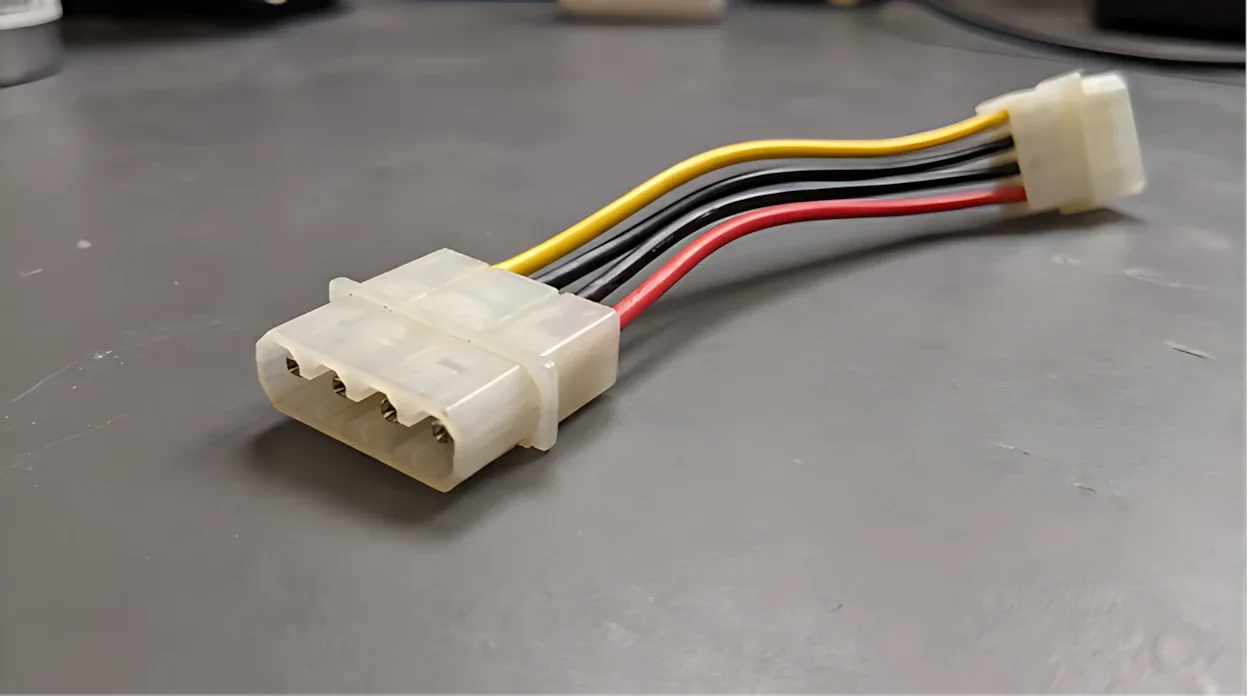
This also applies to standardized connectors. Ask questions about the partner's experience of the Molex Cable Assembly they are proposing, crimping tools, and ability to test pull strength and continuity. It seems a trivial detail until you're troubleshooting a flaky problem on a production machine.
Communication Is a Feature, Not a Courtesy
You'll get to know a great deal about a partner in the first two weeks that you speak with him. Are they able to respond quickly? Are they asking clever questions about your design or do they simply say "yes"? If a team resists a risky tolerance or a hard-to-source part, it's a favor they're doing you.
If the vendor agrees to all of the above, be careful of issues that arise after production. You want somebody who brings it to the forefront and solves the problems at an early stage when it is cheap!
Inquire about your regular point of contact as well. If you are being passed from department to department and there is no one department to own it, then things are likely to get laggy when they get more complex.
Think About Supply Chain and Flexibility
The industry has learned some tough lessons from the component shortages. A good partner can be connected to reliable sources, monitor the lifecycle risks and obsolescence and recommend alternatives in advance of when a part is no longer available and your line stalls.
Inquire about their response to shortages. Are they alert you in advance? Are there acceptable substitution procedures? Also consider flexibility. Do they have the capacity to expand when your product gets popular or can they accept a rush order without chaos? A partner that is currently right for you may not ever be able to expand with you.
Price: Look at Total Cost, Not Just the Quote
While a low unit price may be a good sign to consider, it doesn't always provide the complete picture. Rework, scrap, delays, shipping fixes, and your own engineers' time spent chasing problems all are costs, but don't show up on the invoice.
When shopping around, inquire about what is covered in the quotes. Testing? Packaging? Engineering support? Are there design change fees, minimums or fees? The lowest priced quote with the greatest coverage may prove to be the highest cost quote.
Visit, Ask for References, and Start Small
If possible, visit the facility. Even the best of sales decks cannot surpass a clean and tidy floor with equipment in good condition. A video walk through and a couple of customer references will do if there is no opportunity for a visit.
And consider starting with a small pilot run. It's a low-risk way to get a feel for how your partner does the work: communicates, quality, delivery and the response when it's not going well. If something doesn't, then something else does, eventually. How they respond, you see more clearly than any other certificate .
Wrapping Up
The best electronic assembly partner isn't necessarily the biggest or the cheapest. It's the one whose capabilities match your product, whose quality system you can trust, and whose people communicate like they're on your team.
Define your needs first. Check what they truly do in-house, from boards to cables. Look hard at quality, traceability, and supply chain habits. Weigh total cost instead of the headline price. Then test the relationship with a small run before you commit.
Take your time with this choice. A few extra weeks of careful evaluation now can save you months of headaches later.


Leave a comment